
Tyra Banks Sues Netflix Over ‘America’s Next Top Model’ Documentary: First Amendment Analysis
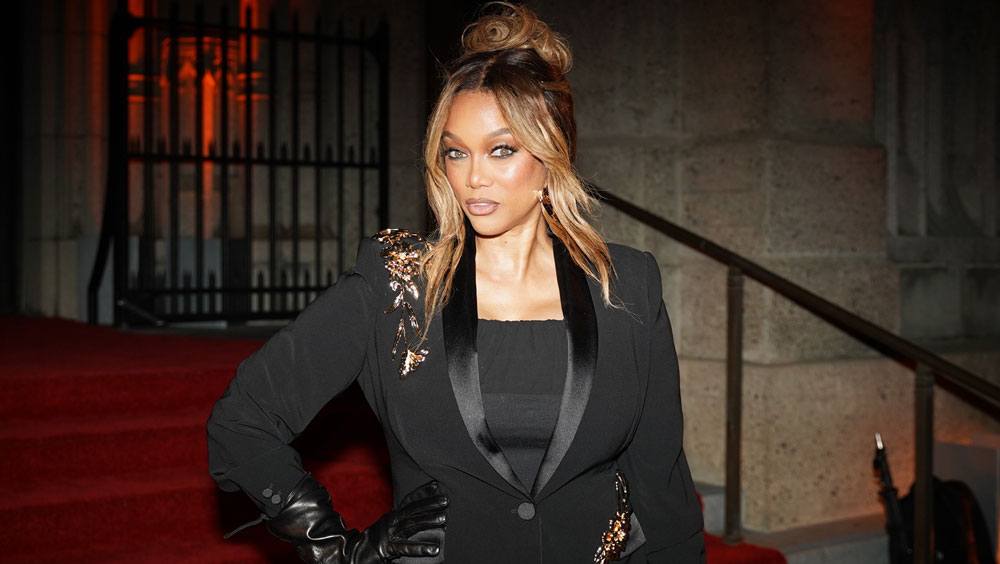
On June 13, Tyra Banks, a model who created and hosted the reality TV show “America’s Next Top Model,” sued Netflix and the producers of “Reality Check: Inside America’s Next Top Model,” a docuseries focused on the modeling competition show’s legacy.
In the lawsuit, which alleges defamation and false light, among other claims, Banks says she sat for a 3 1/2-hour interview for the docuseries, but the final product, which aired in February, included just 16 minutes of that interview. The docuseries, she says, deliberately excluded portions of her interview to paint her in a negative light, including omitting moments where she “acknowledged what she would do differently, and spoke with specificity about decisions she regretted.”
“The producers used what could be stripped of context and reassembled to support a false and defamatory narrative unrelated to what she actually expressed,” the lawsuit says.
A key claim in the suit centers on the story of a Season 2 “America’s Next Top Model” contestant who says she was sexually assaulted on the show. During that season and in the years since, Banks said she understood the incident to be a regretted but consensual encounter. However, in the docuseries, the contestant told producers she was drunk and believed it was an assault.
According to Banks’ lawsuit, producers withheld that information from her and used "deliberate editorial manipulation” to lead docuseries viewers to believe that Banks had initially forgotten about the contestant and the alleged assault and that she “worked to cover it up.”
Banks’ lawsuit says that the docuseries’ portrayal of her damaged her reputation, specifically the “personal brand she has worked for decades to build and maintain throughout the world” and resulted in a flood of negative reviews for the ice cream business she owns in Australia.
Netflix and the docuseries producers have not yet commented on the lawsuit.
What is Tyra Banks alleging, and what does she have to prove to win her case?
Banks claims that Netflix and the docuseries producers defamed her by implication and painted her in a false light. Defamation and false light are categories of speech that are not protected by the First Amendment.
Defamation by implication
Banks is not claiming that the docuseries made particular false statements about her. Instead, her lawsuit alleges the producers edited the docuseries in a way that created a false impression of Banks through what they chose to include, omit and imply.
In other words, the docuseries does not directly claim that Banks knew about, covered up and then forgot about an alleged sexual assault on her show. But, Banks says, the docuseries was edited in a way that would make viewers believe this, even though she says it is not true.
To win her defamation claims, Banks must prove that:
- The docuseries, presented as a factual account, offers a false narrative about Banks.
- The docuseries producers and Netflix acted with actual malice, meaning they either knew they were creating a false implication or acted recklessly in failing to confirm the truthfulness of the portrayal.
- She suffered damages (usually financial) as a result of the narrative.

False light
Banks also alleges producers misleadingly edited the “Reality Check” docuseries in a way that presented her in a false light by leaving viewers with a false and damaging impression of her.
To win her false light claims, Banks must prove that:
- The docuseries presented a false portrayal of her.
- The portrayal was highly offensive.
- The producers acted with actual malice: They knew or should have known the portrayal was false but aired it anyway.
Unlike defamation, Banks does not have to prove she suffered specific financial damages in a false light case, though she does allege that she suffered “significant mental anguish, loss of personal dignity, public humiliation” and had to spend “significant resources to correct the false light in which [Netflix and the docuseries producers] placed her.”

First Amendment defenses to defamation and false light
Because the First Amendment protects public discourse, the bars for winning defamation and false light lawsuits are high, particularly for public figures like Banks.
People or businesses who are sued in defamation and false light cases often cite their First Amendment rights to free expression and freedom of the press, arguing that the information they published was true, substantially true, or, in the case of information about public figures, wasn’t published with actual malice.
Cases like Banks’ ask courts to consider whether the media’s portrayal of a public figure constitutes a First Amendment-protected editorial or artistic choice by producers or crosses the line into a legally actionable, false and damaging depiction.
What’s next?
Netflix and the docuseries producers will have the opportunity to defend themselves against Banks’ claims in court. If the case proceeds, it will move to the discovery stage, where both sides will gather information. Banks has asked that the case be resolved through a jury trial.
Katie Bernard is a rapid response writer at Freedom Forum. She can be reached at [email protected].
This article was compiled with contributions from Freedom Forum experts, including Vice President and First Amendment Expert Kevin Goldberg and First Amendment Specialist Alex Morey.

Perspective: Protect Voting Like We Protect Free Speech

From Comedic to Controversial: 11 of the Most Famous Political Cartoons in US History
Related Content