

Freedom of Assembly
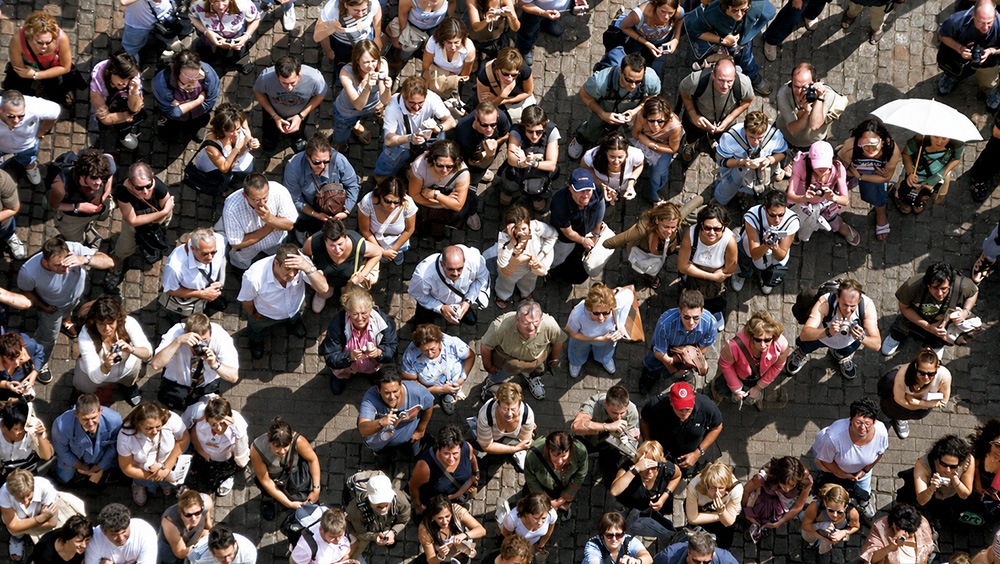
Students will learn about why freedom of assembly is important now and throughout U.S. history. They’ll explore the ways in which the government can restrict freedom of assembly, depending on where and when it occurs. And they’ll see examples of limits on assembly that violate First Amendment rights.
Select grade level
Grades 10-12
Download lesson plan sources
Grades 7-9
Download lesson plan sources
Grades 4-6
Download lesson plan sources
Related resources
Article Library: Freedom of Assembly
Explore our First Amendment article library
Freedom of Association: The Forgotten First Amendment Right
What is freedom of association and how does it relate to the First Amendment? Learn all about this lesser-known right.
Is Civil Disobedience Protected by the First Amendment?
Americans use civil disobedience to advance causes — from gun rights to voting rights — but is it protected by the First Amendment?
Can Protest Organizers Be Liable for Damage, Violence?
If violence or damage occurs during a protest, who is liable? Can the protest organizer be held responsible? Here's what you need to know.
Quiz: What Does Freedom of Assembly Mean, Specifically?
The right to assemble is one of the most exercised — and most tested — freedoms in the First Amendment. Can you connect real protests to the constitutional protections behind them? Take the quiz to find out.
Related lesson plans
The State Action Doctrine and the First Amendment
Students will explore how the U.S. Supreme Court determines when the First Amendment applies and how the court’s rulings have refined this over time. They’ll learn how the First Amendment restricts the government and why it doesn’t typically apply to private actions.
The Five Freedoms in Action
Students will be introduced to the five freedoms of the First Amendment and see how these freedoms make possible many activities in daily life. They’ll gain an understanding of when and by whom the freedoms can be limited — and when limits would violate the First Amendment.