
Major First Amendment Issues Raised Following Charlie Kirk’s Assassination: FAQs Answered

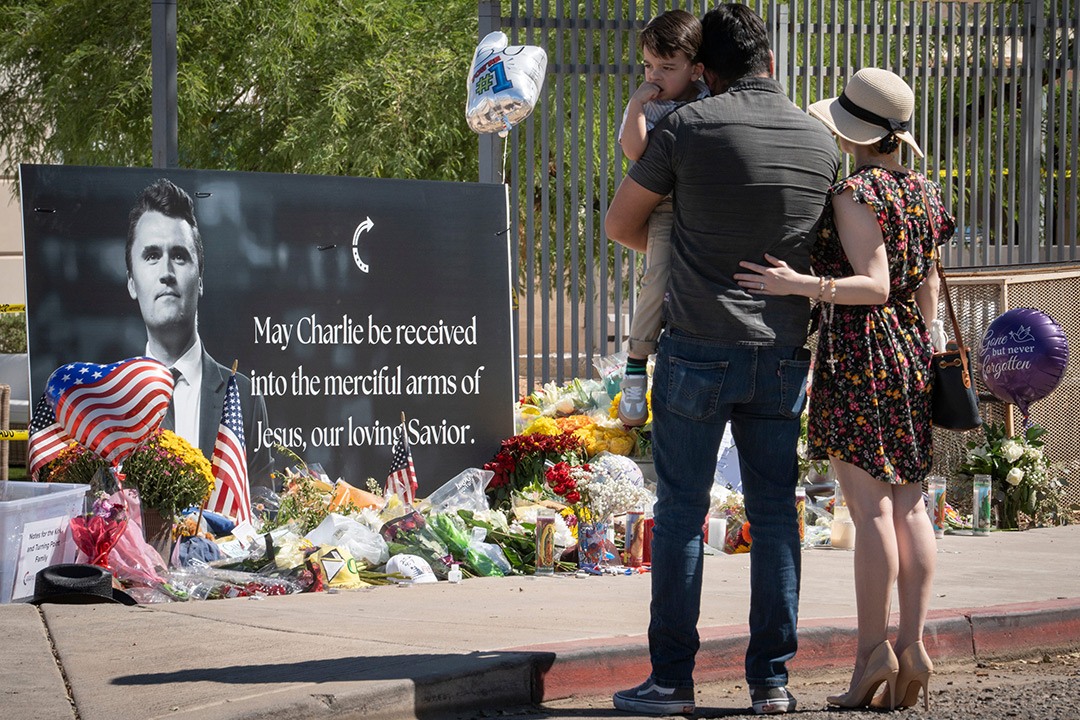
In the wake of Charlie Kirk's assassination on Sept. 10, there are several major First Amendment issues being raised and questions being asked.
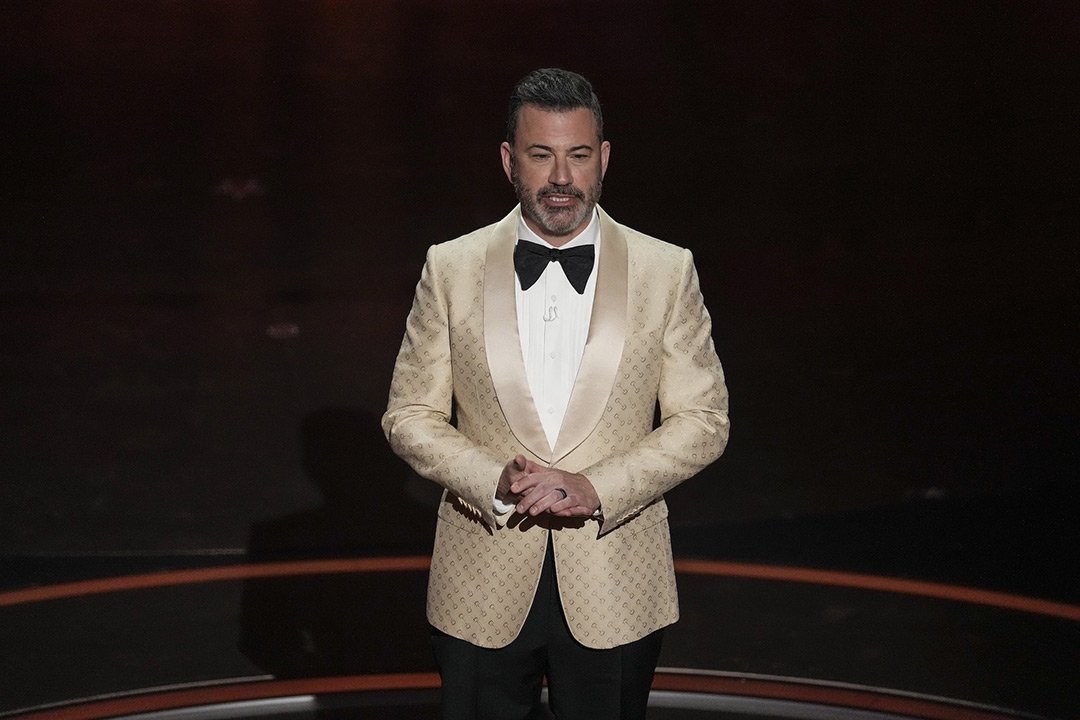
On Wednesday, ABC suspended Jimmy Kimmel's late-night show indefinitely following comments he made about Kirk and after Federal Communications Commission Chairman Brendan Carr seemed to threaten regulatory action against ABC, raising questions about how or whether the government can regulate broadcast TV content or pressure others to do so.
Earlier in the week, U.S. Attorney General Pam Bondi received bipartisan pushback for multiple incorrect First Amendment-related statements: that hate speech is not free speech (it is, and Bondi subsequently acknowledged as much) and that the government can prosecute companies like Office Depot for not allowing customers to print Kirk memorial flyers (it cannot).
Additionally, a number of private and public sector employees have faced calls for termination or have been fired, businesses have been criticized for their Kirk-related commentary or actions, and social media platforms have wrestled with how or whether to moderate coverage and commentary.
On Tuesday, The Washington Post added “several U.S. airlines, Office Depot, and Nasdaq,” to their running list of more than 30 employers who had punished or fired employees for statements about Kirk’s death. “Clemson University, MSNBC, the Federal Emergency Management Agency and the Carolina Panthers” had fired employees for their comments, the Post reported, as well as “several local fire departments and school districts.”
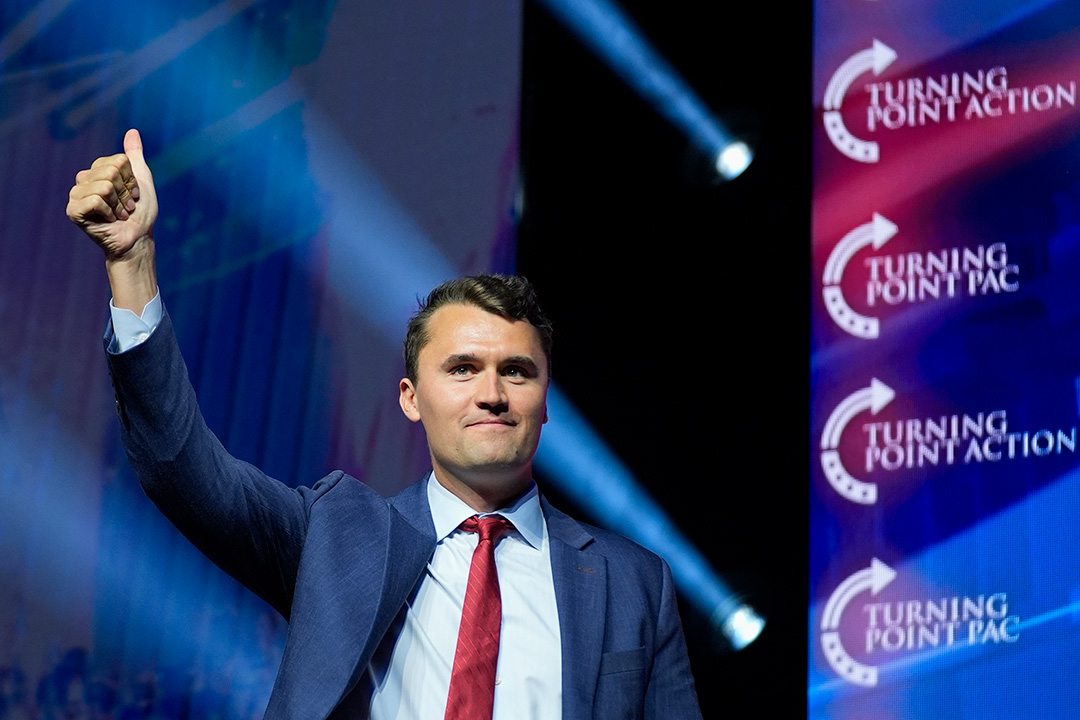
Meanwhile, while guest-hosting Kirk’s podcast on Monday, Vice President J.D. Vance said people should report to employers anyone celebrating Kirk’s death.
“Call them out, and hell, call their employer,” Vance said. “We don't believe in political violence, but we do believe in civility.”
The First Amendment protects controversial speech, but it doesn't apply in all situations. What does it say about hate speech, getting fired for your speech, doxing and more?
Here are answers to some of the most frequently asked questions we’re hearing.
Can an employer fire an employee for controversial speech or social media posts?
In many cases, yes.
The First Amendment protects private speech from government censorship, not from censorship by a private party.
This means private employers are not violating the First Amendment — and in fact are simply exercising their own First Amendment rights — when they fire an employee for saying something controversial. Private employers generally have a First Amendment right to fire employees for purely speech-related reasons.
ABC’s Kimmel cancellation raises broader First Amendment questions because of the potential coercion by the FCC. But looking solely through an employee-rights lens, ABC is just like any other private employer, free to discipline employees for their speech without running afoul of the First Amendment.
Government employers, on the other hand, are subject to some First Amendment limits when they discipline employees for their speech. A government employee, sometimes referred to as a public employee, is anyone who works for a government entity. Public employees include public school teachers, public university professors, police, firefighters and others in civil service. The Supreme Court has established a balancing test that seeks to ensure government employees can still speak out about matters of public concern and exercise their First Amendment rights as citizens, while giving the government broad leeway to ensure workplace efficiency.
Courts first ask whether the employee was speaking as part of their job duties. If so, they can be disciplined for saying something controversial. For example, an agency’s social media manager posting an unsanctioned message on the agency X account and a manager sending an agency-wide email to criticize the boss rather than raising concerns through designated channels are unlikely to get First Amendment protection.
Public employees’ speech outside their job duties is generally more protected. Here, a court asks whether the employee was speaking about a matter of public concern, which includes just about any newsworthy social or political issue. If not, they can be disciplined. If so, then they can only be disciplined if their speech was likely to cause a workplace disruption.
Disciplining educators for speech in public school settings, like K-12 and university classrooms, raises unique constitutional issues. This is an area where the law is still evolving. Courts have struggled to determine which legal standard to apply — not just to academic freedom cases, but to cases where teachers speak in a personal capacity outside their job duties. Courts have more often sided with school districts when teachers are disciplined for allegedly disruptive personal social media posts, even when those posts are made outside of school and off the clock.
In June, the Supreme Court passed on an opportunity to offer additional clarity in this area of the law, declining to hear the case of a public school teacher fired for social media posts her school district said were “derogatory and disruptive.”
Bottom line: Private sector employees have no First Amendment protection from speech-related discipline by their employer. Government employees enjoy First Amendment rights by virtue of working for the government, but not without limits. Government employers have broader rights to discipline employees who say certain controversial things in the course of their official job duties than those who are expressing personal opinions that bear no relation to their official positions. And government can punish employees for speech outside of job duties when the employees have spoken on things that aren’t a matter of public concern or say things that will disrupt the workplace.
Is doxing protected by the First Amendment?
Often, yes — but not always.
Doxing refers to publicly exposing information — sometimes already publicly available — that can be used to locate, contact or identify someone without their consent. This often includes personal details like home addresses, email addresses, phone numbers or other contact information, and is sometimes done as a form of punishment, harassment or revenge.
In the United States, publishing someone’s personal information is not automatically illegal, especially if the information was already public.
Doxing can lose First Amendment protection if it goes beyond merely sharing available information when, for example, it:
- Constitutes a true threat.
- Is part of a pattern of harassment.
- Intentionally inflicts emotional distress.
- Reveals certain nonpublic, sensitive information such as personal financial, medical or private contact details.
Some states have specific anti-doxing laws, but they must align with First Amendment standards. Texas’ anti-doxing law, for example, makes it a criminal offense to post a person’s address or phone number “with the intent to cause harm or a threat of harm to the individual or a member of the individual’s family or household.”
Watchdog or protest groups compiling publicly available records — such as property ownership databases, political donations or names of activists — are generally protected, even if the information being publicized might upset the people involved. For example, the publication of activists’ names on sites like Canary Mission has raised ethical concerns but, absent explicit threats or harassment, remains First Amendment-protected speech. This would likely be the case for people collecting and sharing publicly available information about, or social media posts of, Kirk critics.
By contrast, Kelley Wolf, wife of actor Scott Wolf, was arrested in Utah in August after allegedly posting her estranged husband’s private cell phone number online, alongside commentary authorities alleged encouraged others to harass him. She was charged with two misdemeanors, including electronic disclosure of personal identifying information and electronic communications harassment.
In short, while free speech protections for sharing public information are broad, they do not extend to speech that crosses into threats, harassment or serious invasions of privacy.
Is hate speech protected by the First Amendment?
Yes.
The First Amendment protects the widest possible range of speech, including “hate speech” from government punishment or control.
In the U.S., you have a First Amendment right to express views others find offensive, upsetting or even hateful without being punished by the government. You can generally use racial slurs, endorse violence or purposely say hateful things about other people — even though it may be considered reprehensible by some.
This is a First Amendment feature, not a bug. In order to identify and punish hate speech, elected officials would need to insert their own subjective views about right and wrong and make judgments about which opinions and viewpoints are off limits and which are favored. This is known as viewpoint discrimination, one of the clearest First Amendment violations.
If the government were to punish hate speech, the standard for what constitutes “hate speech” would vary and change over time, and speakers would always have to guess whether they are violating the law or not and would be likely to self-censor to avoid getting in trouble. This means a hate speech law would also violate the First Amendment's prohibition on vague, overbroad laws.
The First Amendment guards against this kind of censorship by ensuring the widest range of speech — even hate speech — is protected.
In order to avoid censoring viewpoints, no matter how objectionable those views may seem, courts have recognized a few well-defined categories of speech that are unprotected by the First Amendment.
The First Amendment exceptions most relevant to hate speech include true threats, incitement to imminent lawless action, fighting words and defamation — each of which has a precise legal definition.
When any of these narrowly defined exceptions to the First Amendment apply, the speaker is not punished for the words they are saying but because their words are delivered in a way that is intended to cause or does cause harm. For example, including a racial slur in a public speech to an assembled audience might elicit allegations of “hate speech,” but that use is likely First Amendment-protected. Conversely, directing a racial slur at someone in a face-to-face conversation in a manner likely to provoke a reaction could meet the legal definition of fighting words.
In sum, speech that is labeled as “hate speech” may fall into an unprotected category of speech, but speech cannot be punished by the government solely because it may be viewed as hateful.
Can social media companies ban or suspend accounts for controversial posts?
Generally, yes.
Social media companies are private actors with a First Amendment right to make and enforce platform rules. These platforms can bar certain types of speech that don’t align with their terms of use. For example, several social media companies ban or restrict “hateful” or “offensive” content. By opting to use private social media platforms like X, TikTok, Instagram or Facebook, you agree to follow their rules.
One way the First Amendment can come into play on social media is when government agencies or officials use these platforms.
Government actors create First Amendment controversies when they threaten particular people or private companies with punishment for their speech.
For example, government officials have used their social media accounts to call for public employees to be punished for expressing controversial views. That, by itself, may not violate the First Amendment, as government officials have the right to express their views. What does violate the First Amendment is wielding official power to chill or censor controversial (but otherwise protected) speech, like forcing a private employer to fire an employee under threat of government punishment.
Another example of First Amendment-prohibited chilling of speech would be a government official threatening a social media platform with legal action unless the platform bans a speaker or deletes a post. A government actor pressuring a third party to suppress First Amendment-protected speech is known as “jawboning.”
The government can also violate the First Amendment through its actions as a social media account owner. For example, an official government agency or government actor’s account can't block followers or delete comments solely because the government actor doesn't like what the commenter is saying. These actions run afoul of the First Amendment's prohibition on viewpoint discrimination.
Can private companies refuse service to people with certain political views?
Yes.
Antidiscrimination law bars companies from discriminating against people in certain protected classes. For example, businesses cannot discriminate against people because of their race or gender. But political viewpoint isn’t a protected class. This means that under the First Amendment, businesses can refuse service to people with particular views.
The Supreme Court has also held that businesses can’t be forced to create or express particular messages. In 303 Creative v. Elenis LLC (2023), the court sided with a website designer who objected to making custom wedding websites for same-sex weddings as contrary to her religious beliefs. Colorado’s antidiscrimination law prohibited businesses from denying services based on sexual orientation. The court agreed Colorado’s law ran afoul of the First Amendment as the website designer wasn’t objecting to serving a particular customer, she was objecting to being forced to use her creative design skills to create a website promoting a message she didn’t agree with. The court indicated this would apply to any situation in which someone was hired to create or express a message contrary to their beliefs.
In the example of the Office Depot employee who refused to print flyers advertising a vigil for Kirk, Office Depot is a private company that can make its own choices about policies on creative expression, and it does. Office Depot said in a statement that the employee who refused to print a customer’s order had violated those policies. While Office Depot can set its own rules regarding employee conduct, the government cannot make Office Depot change its policies to force employees to express or disavow particular views.
The First Amendment may interact with other laws and regulations, including state-specific employment laws and federal antidiscrimination or whistleblower laws. If you have a specific legal question, consult an employment lawyer or other expert in your area.
Alex Morey is a First Amendment specialist at Freedom Forum. She can be reached at [email protected].

Campus Protests 1 Year Into Israel-Hamas War: Where America Stands

Trump Signs Order on Flag Burning: First Amendment Analysis
Related Content